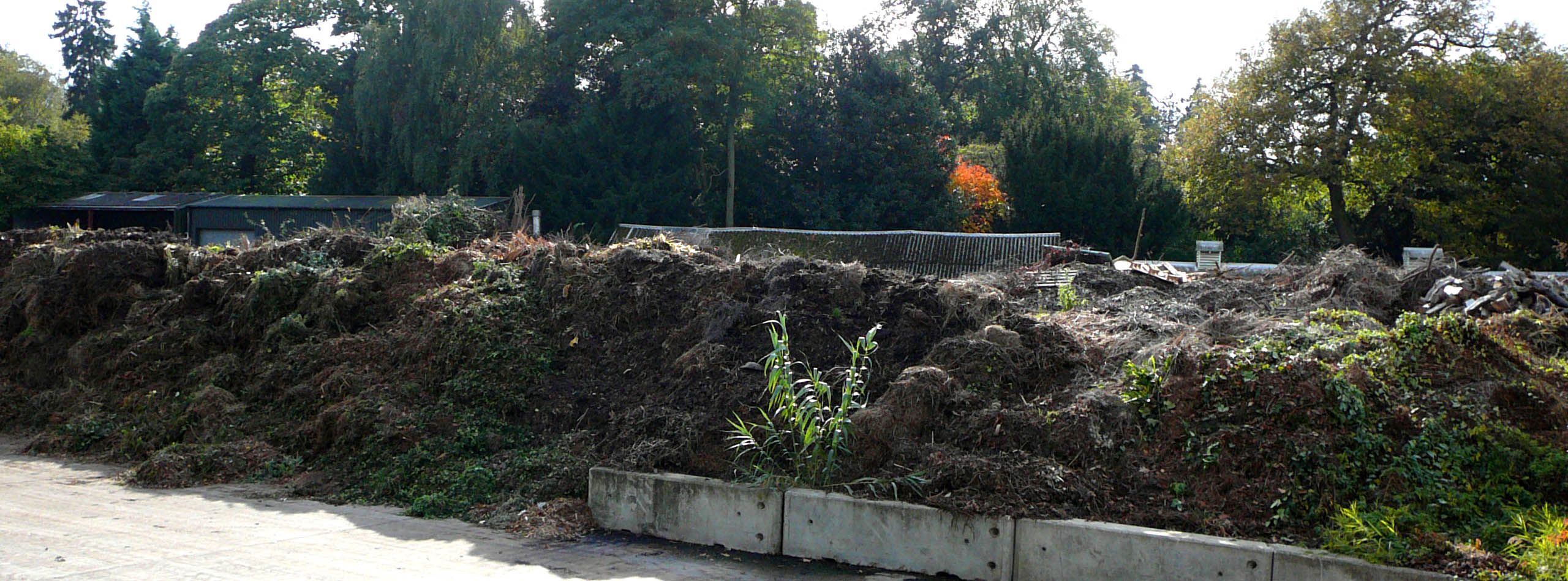
Why Composting Matters for Urban Soil
Compost — decomposed organic matter — is the primary means by which urban gardeners can build and maintain soil quality without depending on external mineral fertilisers. In a functioning compost, the carbon-rich materials from kitchen and garden waste are broken down by bacteria, fungi, invertebrates and other organisms into a stable humus-like substance that improves both clay and sandy soils.
For urban growers in France, composting also addresses a practical waste problem. French households generate substantial quantities of organic kitchen waste. The loi anti-gaspillage pour une économie circulaire (AGEC law, 2020) established a requirement for the separate collection of bio-waste, and from January 2024, all French municipalities are required to offer residents access to bio-waste composting or collection. Home composting is one accepted pathway under this framework, and ADEME provides publicly available guidance for individuals setting up home compost systems.
The Carbon-to-Nitrogen Ratio
The fundamental variable in composting is the carbon-to-nitrogen (C:N) ratio of the materials being composted. Micro-organisms that decompose organic matter need both carbon (for energy) and nitrogen (for protein synthesis). The optimal C:N ratio for active decomposition is generally cited at around 25–30:1.
In practice, this translates to a simple mixing rule:
| High-Carbon ("Brown") Materials | High-Nitrogen ("Green") Materials |
|---|---|
| Dry leaves, cardboard, straw, wood chips, paper | Fresh grass clippings, kitchen vegetable scraps, fresh garden trimmings |
| C:N ratio typically 50–500:1 | C:N ratio typically 10–25:1 |
A roughly equal volume mix of browns and greens produces a C:N ratio in the right range for active decomposition. Piles with too much nitrogen become wet, dense and malodorous. Piles with too much carbon decompose slowly without producing heat.
Method 1: Cold Heap Composting
The cold heap is the simplest and most common method in French domestic gardens. Materials are added over time as they become available. No active management — turning or temperature monitoring — is required. Decomposition is slow, driven mainly by fungi and invertebrates such as earthworms rather than thermophilic bacteria.
Typical timeline: 12 to 18 months from adding materials to finished compost.
Suitable for: Growers with modest volumes of organic material, no urgency for finished compost and a garden or terrace with room for a fixed bin.
Limitations: Cold heaps do not reach temperatures high enough to kill weed seeds or pathogens. Perennial weed roots, diseased plant material and cooked food should not be added. The process is uneven; the outer sections of the heap decompose more slowly than the centre.
Method 2: Hot Pile Composting
Hot composting requires assembling a critical mass of material — typically at least one cubic metre — with a balanced C:N ratio, then turning the pile regularly to introduce oxygen. When conditions are right, internal temperatures reach 55–70°C, which kills most weed seeds, pathogens and fly eggs within a few days.
Typical timeline: 4 to 8 weeks for finished compost when turned every 3–5 days.
Suitable for: Growers with access to bulk garden material (autumn leaves, grass clippings, green waste) and physical space for a pile at least 1 m × 1 m × 1 m.
Limitations: Requires a significant volume of material assembled at one time, and regular physical turning. Not practical for balconies or very small gardens.
If the pile fails to heat up within 48 hours of assembly or turning, the most common causes are insufficient nitrogen, inadequate moisture or a pile that is too small. Adding fresh grass clippings, nettles or urine (as a nitrogen source, documented in permaculture literature) usually restores activity.
Method 3: Bokashi Fermentation
Bokashi is a Japanese fermentation method adapted for household use. Kitchen waste — including cooked food, meat and dairy that cannot go in standard compost — is layered with a bran inoculated with effective micro-organisms (EM, a mix of lactic acid bacteria, yeasts and photosynthetic bacteria). The container is sealed and the contents ferment anaerobically over two to four weeks.
The output is not compost in the conventional sense. Bokashi pre-digest produces a pickled, acidic material that must be buried in soil or added to a standard compost heap to complete decomposition. It is not suitable for direct use around plant roots.
Suitable for: Apartment growers or those with no outdoor composting space. A 10-litre bucket requires minimal space and produces no odour when sealed correctly.
Limitations: Requires ongoing purchase of EM bran, which adds a recurring cost. The fermented material still needs to be disposed of — either buried in soil (a 30 cm hole is sufficient) or taken to a municipal composting site.
Method 4: Vermicomposting (Worm Bins)
Vermicomposting uses red worms — typically Eisenia fetida (red wiggler or tiger worm) rather than common earthworms — to process organic waste in a contained bin. The worms consume food scraps and bedding material, producing castings (worm vermicompost) and a liquid leachate, both of which are high-quality soil amendments.
Typical timeline: Worms process material continuously; a healthy bin produces usable castings within 2–3 months of setup.
Suitable for: Balcony growers, apartment dwellers, and anyone who wants a continuous, indoor-capable composting system with a small footprint.
Limitations: Worms are sensitive to temperature (they function best between 15°C and 25°C), acidic inputs and overfeeding. A bin must be shaded in summer and brought indoors during French winters in northern regions. Citrus, onion and garlic should be added in small quantities only.
Comparison by Urban Context
| Method | Min. Space | Time to Finish | Accepts Cooked Food | Kills Weed Seeds |
|---|---|---|---|---|
| Cold Heap | 1 m² outdoor | 12–18 months | No | No |
| Hot Pile | 2 m² outdoor | 4–8 weeks | No | Yes (>55°C) |
| Bokashi | Indoor bucket | 2–4 weeks + burial | Yes | No |
| Vermicompost | Indoor bin | 2–3 months continuous | Limited | No |
Using Compost in the Garden
Mature compost — dark, crumbly and with an earthy smell — can be applied as a surface mulch (3–5 cm layer) or incorporated into planting holes. For raised beds, it forms the primary organic matter component of the growing mix. Immature compost, which still smells sour or contains recognisable food scraps, should not be applied directly to plant roots as it can create anaerobic conditions and introduce plant pathogens.
The leachate from worm bins should be diluted before use as a liquid feed — a ratio of 1:10 with water is commonly recommended in vermiculture guides to avoid root burn.
For notes on how compost integrates with soil amendment for clay and sandy substrates, see the article on improving clay and sandy soils. For guidance on where in a rotation cycle to apply fresh compost, see the crop rotation article.
Municipal Composting Resources in France
ADEME's Guide du compostage domestique, available free on the ADEME website, covers all four methods described here in additional detail, including troubleshooting guides. Many French départements also subsidise the purchase of domestic composting equipment; local mairies can provide information on subsidy schemes available in a given commune.
Last updated: May 16, 2026. The ADEME guide on home composting is available at ademe.fr. For information on French bio-waste regulations, see the official text of the loi AGEC at legifrance.gouv.fr.